An Invisalign Dentist Explains How Invisalign Works

All too many people who could benefit from visiting an Invisalign dentist for treatment put it off as they fear the process might be invasive or too long and complicated. By gaining a clearer idea of what the Invisalign process involves, you can make a more informed decision as to whether or not treatment is appropriate for you.
How the Invisalign process works
Most patients report the process of Invisalign as not being complicated at all and are ecstatic with their new smile once treatment is over. The following is a complete overview of how Invisalign works and what to expect during the process.
The initial consultation
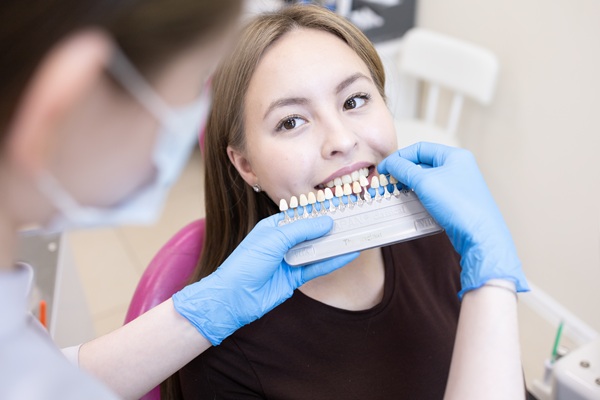
The first step towards straighter teeth through Invisalign is to schedule an initial consultation with an Invisalign dentist. On the first visit, they will conduct an oral examination of the patient, may take X-rays and other testing procedures and determine whether the patient is eligible for Invisalign. After the examination, the Invisalign dentist can then discuss the options with the patient and educate them on what can be expected throughout the process. Once both the Invisalign dentist and patient agree to treatment, a dental impression is taken, which is then used to mold the clear aligners.
Treatment process
Once the Invisalign aligners are ready, the patient can begin treatment. It is important to follow the treatment instructions closely and wear the aligners as much as possible, preferably for at least 20 hours each day. Each patient should also work hard to keep their aligners clean and practice good oral hygiene throughout treatment. Most Invisalign dentists have patients receive a new aligner several times each month as the teeth begin to shift into a more appropriate position. As long as the patient follows the treatment instructions and makes it into all scheduled appointments, they can complete the process in a relatively short amount of time.
Follow-up care
After the teeth are in an ideal position and the patient is happy with their smile, the process is not yet over. Whether teeth are straightened through braces or Invisalign, they have a tendency to try and shift back into their original position. Subsequently, it is very important to wear a retainer after treatment to ensure teeth shifting does not occur. At first, the retainer may need to be worn for a large portion of the day, and the need for the retainer gradually decreases until it only needs to be worn while sleeping. Your Invisalign dentist should be there to guide you through the entire follow-up care process.
Talk to an Invisalign dentist about treatment
No one should have to feel insecure about their smile due to misaligned teeth, and Invisalign is a great way to improve the appearance of your smile and gain more confidence. If you are interested in learning more about how Invisalign works and want to start the process, consult with us today and schedule a time to meet with one of our Invisalign dentists.
Are you considering an Invisalign dentist in the Anaheim area? Get more Invisalign dentist information at http://impladentdentistry.com.
Check out what others are saying about our services on Yelp: Read our Yelp reviews.
Related Posts
Dental bonding uses tooth-colored composite resin to repair small flaws, reshape edges, and refresh a smile with minimal enamel removal. The dentist conditions the surface, places pliable resin, sculpts the contours, then cures and polishes for a seamless blend. Composite resin bonds micromechanically to enamel and dentin, forming a strong bond. Since the technique preserves…
Your dentist can suggest a dental restoration that can help meet your dental needs. You may need one procedure or a combination of procedures to achieve your goal. It may take some time to finish specific treatments. Others may take one visit. Each one can help improve your oral health and even your general health.…
A root canal removes the infected pulp, then cleans and seals the tooth. Many patients may be unsure if there is anything else they need to do after the root canal. The answer is yes; they will need a dental restoration to restore the tooth's functionality. Let us dive into why leaving a treated tooth…
A dental restoration can repair or replace a part of a tooth or its whole structure. Having this treatment means investing a significant amount of effort, money, and time. Making an informed decision to go through it will need a complete orientation. Here are the pros and cons of various dental restoration treatments that can…