Why Should I Get Cavities Treated?
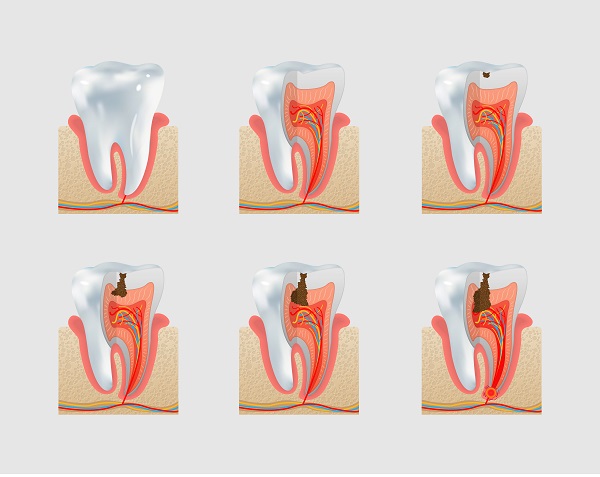
Cavities often precede far more severe oral health concerns, including the loss of teeth. The good news is that cavities are treatable in the early stages through dental fillings, root canal therapy, and dental crown treatment. However, if left untreated for an extended amount of time, cavities can eventually cause some highly undesirable complications.
The risks of leaving cavities untreated
The primary risks of leaving cavities untreated are the development of deep tooth decay, oral infection, and the loss of teeth. Subsequently, anytime signs of cavities develop, such as dark spots on teeth, teeth sensitivity, and small holes on the teeth, it is important to schedule a visit with a dentist.
Deep tooth decay
Cavities are likely to grow larger and deeper the longer they remain untreated. This is because it is far more likely that bacteria and food particles become trapped in the cavities, resulting in more acidic attacks that damage enamel and the deeper layers of the teeth. If deep tooth decay develops, then it can cause uncomfortable symptoms such as pain and sensitivity and can lead to the need for more invasive treatments to treat the cavities.
An oral infection
An oral infection often occurs due to untreated cavities. This is because deep tooth decay can leave the roots of teeth exposed, which allows bacteria to invade the root and cause a bacterial infection. The infection can cause pain to the tooth as well as fever, swollen lymph nodes, and other troubling symptoms. If left untreated for too long, the infection could possibly spread inside the mouth and body as a whole.
Dental abscess
A dental abscess results from an oral infection. It is essentially a pocket of pus that forms near the root of the tooth and can cause discomfort, swelling, and bad breath, along with a fever and swollen lymph nodes that can result from the infection. Most commonly, a dental abscess stems from an untreated dental cavity.
Increased risk of teeth loss
The ultimate outcome for many patients who do not seek prompt care for cavities is the loss of teeth. This occurs when the root of the tooth is no longer strong enough to support the tooth. For patients who have gum disease as well as cavities, the loss of teeth could be accelerated.
What are the early signs of dental cavities?
The early signs of cavities include dark spots on teeth, tooth sensitivity, small holes on teeth, and pain when biting down. In the early stages, the enamel may turn a lighter white color when it starts to weaken as well. Any signs that cavities may exist are cause for concern and should prompt a visit to the dentist.
Schedule a consultation visit for cavities treatment
If you believe you have one or more cavities, then contact our dental practice today. We can examine the severity of the cavities and make a treatment recommendation accordingly. Some of the more common forms of cavity treatment are fluoride, dental fillings, and root canal therapy.
Request an appointment here: https://impladentdentistry.com or call Impladent Implant & Cosmetic Dentistry at (714) 677-9452 for an appointment in our Anaheim office.
Check out what others are saying about our dental services on Yelp: Cavities in Anaheim, CA.
Related Posts
Preventive dentistry helps patients protect their teeth and gums through childhood, adulthood, and the golden years of life. A healthy smile needs more than occasional attention when something hurts. It needs steady care, regular checkups, and consistent habits that keep small concerns from growing into major problems. Learning how a dentist adapts their approach to…
Teens navigate a busy world where school, sports, and social lives often take priority over oral hygiene routines. Regularly seeing a family dentist for dental cleanings provides the support needed to keep permanent teeth healthy during these high-activity years. These appointments offer a consistent environment for growth and wellness as teens gain more independence.Many teens…
There are many options that you can consider when looking at partial dentures. They can come in several different materials and varieties. Let us take a look at each one, taking both the pros and the cons into account.Acrylic dentures are probably the most commonly used variety. There are several benefits to them. First, they…
Dental cleanings are an essential part of maintaining good oral health. However, there are other actions patients can take to maintain a healthy smile in between these visits. Brushing and flossing are a foundation of oral hygiene but are just a start. The following simple and practical tips can make for a healthier, more beautiful…